

Affordable moving options for renters in Australia centre on three core cost drivers: volume, distance, and property accessibility. Local moves typically cost $300–$3,500, while interstate relocations run $2,000–$8,000 or more depending on how much you are moving and how far. Renters who treat their move as an operational project rather than a last-minute task consistently spend less and stress less. Easymoveservices works with renters across Australia to keep those costs manageable through personalised packing, real-time tracking, and transparent pricing.
1. What are the most affordable moving options for renters in Australia?
Self-service moves are the cheapest option for most renters. Hiring a truck or van and doing the heavy lifting yourself cuts out labour costs entirely, which is where most of the budget goes. Removalist hourly rates sit between $120 and $200 depending on crew size, truck capacity, and location. That adds up quickly on a full-day move.
Backloading is the standout budget option for interstate moves. A backloading service fills spare space on a truck already heading in your direction, so you share the transport cost with other customers. You trade flexibility on timing for a significantly lower price. For renters moving between major cities, this can cut interstate costs by a substantial margin.
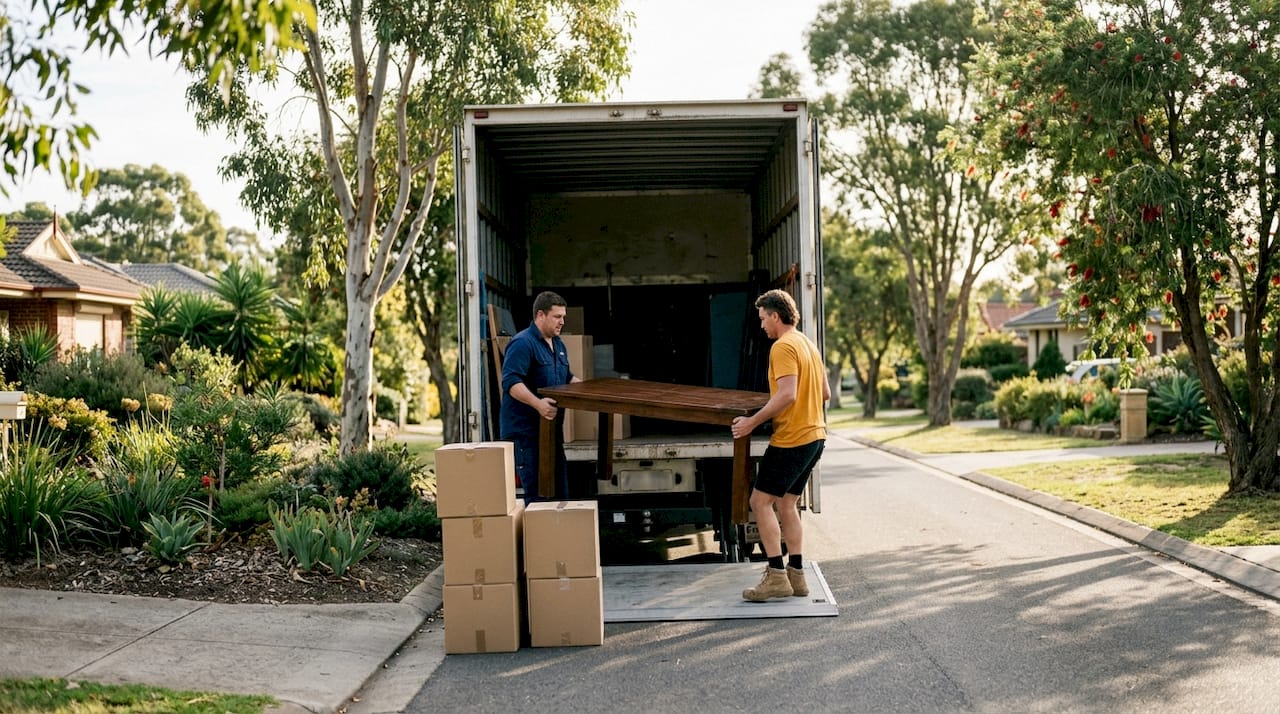
Shared transport services work on a similar principle for shorter distances. Your items travel with others heading the same way, and you pay only for the space your load occupies. This suits renters with smaller volumes, such as those moving from a studio or one-bedroom flat.
Van rentals suit smaller loads and short distances well. Many rental companies offer half-day or full-day rates, and a one-bedroom move can often be completed in a single trip. Self-service moving combined with careful planning reduces labour and transport costs significantly compared to full-service removalists.
Pro Tip: Book your truck or van rental at least two weeks ahead. Last-minute bookings during busy periods attract premium rates, and availability drops fast around end-of-month dates.
2. How reducing volume cuts your moving costs fast
Volume is the primary cost driver across every type of move in Australia. Less stuff means a smaller truck, fewer hours of labour, and lower fuel costs. Renters who declutter before booking a removalist consistently pay less than those who pack everything and sort it out later.
Start with a room-by-room audit at least four weeks before your move date. Separate items into three groups: keep, sell or donate, and discard. Furniture that will not fit your new place is worth selling through Facebook Marketplace or Gumtree rather than paying to transport it. Clothing, books, and kitchenware donated to op shops reduce both volume and packing time.
Bulky items cost the most to move. A single large sofa can add an hour of labour to your booking. If a piece of furniture is old or inexpensive to replace, leaving it behind is often the smarter financial call. Renters moving from furnished properties have a natural advantage here since they typically carry less.
Pro Tip: Photograph every room before you start decluttering. It helps you visualise what you actually need versus what has just accumulated over time.
3. Packing and preparation tips that save renters money
DIY packing is one of the most effective ways to reduce your total moving cost. Professional packing services generally cost between $200 and $600, and packing materials add another $50–$200 on top. Packing yourself eliminates both expenses if you plan well and start early.
Reusing boxes is a practical first step. Supermarkets, liquor stores, and bookshops regularly have sturdy boxes available for free. Borrowing boxes from community swaps or using hire services for plastic moving crates reduces both cost and waste. Plastic crates are stackable, weatherproof, and protect fragile items better than cardboard.
Smart labelling saves time and money on moving day. Label every box with its destination room and a brief contents note. This speeds up unloading and prevents movers from spending extra billable time figuring out where things go. A colour-coded system using masking tape works well and costs almost nothing.
Wrap fragile items in clothing, towels, and linen instead of buying bubble wrap. This approach protects your belongings, reduces the number of boxes you need, and keeps packing materials out of landfill. Easymoveservices recommends this method as part of its sustainable packing approach for renters who want to keep costs and waste low.
Pro Tip: Pack a “first night” box with essentials: phone charger, toiletries, a change of clothes, and basic kitchen items. You will not need to unpack everything on day one, which reduces pressure and moving-day fatigue.
4. When is the best time to move to get cheaper rates?
Timing your move correctly can reduce your total cost by a meaningful amount. Weekday moves save 10–20% compared to weekend bookings because demand from families and homeowners drops significantly from Monday to Friday. Removalists are more available, and some offer lower minimum booking periods on quieter days.
Off-peak seasons also bring better pricing and availability. The peak moving period in Australia runs from october through march, driven by school year changes, lease cycles, and summer relocations. Moving in the cooler months, particularly between april and july, often means shorter wait times and more competitive quotes.
Avoid end-of-month dates wherever possible. Lease end dates cluster around the last week of the month, which creates a surge in demand for removalists and truck rentals. If your lease allows flexibility, scheduling your move for the middle of the month can make a real difference to both cost and availability.
Booking early matters most for interstate moves. Removalists and backloading services fill their schedules weeks in advance during busy periods. Locking in your booking four to six weeks ahead gives you more choice and often a better rate than leaving it to the last fortnight.
5. Hidden costs and additional fees renters need to budget for
Additional services add up faster than most renters expect. Furniture disassembly and reassembly typically costs $100–$300, and special item handling for pianos, pool tables, or large artwork runs $200–$800. Storage, if you need it between properties, adds $100–$300 per month. These are not optional extras for everyone, but they are costs worth planning for.
Property accessibility is a cost factor that catches many renters off guard. Narrow staircases, no on-street parking, or a lift that is too small for large furniture all increase labour time and therefore cost. Removalists charge for the extra effort, and some apply a direct surcharge for difficult access. When you get quotes, describe your property accurately so the price reflects reality.
Comparing multiple removalist quotes is one of the simplest ways to avoid overpaying. Quotes vary in hourly rate, minimum hours, truck size, fuel levies, and insurance inclusions. A lower hourly rate does not always mean a lower total bill if the minimum booking period is longer. Read each quote carefully and ask about any fees not listed.
| Additional service | Typical cost range |
|---|---|
| Packing and unpacking | $200–$600 |
| Packing materials | $50–$200 |
| Furniture disassembly/reassembly | $100–$300 |
| Storage (per month) | $100–$300 |
| Special item handling | $200–$800 |
Use this table as a budgeting reference when planning your move. Add the services you expect to need and build that total into your overall moving budget before you start comparing quotes.
6. How to choose a removalist that fits your budget
Choosing the right removalist is not just about finding the lowest price. A quote that looks cheap can become expensive if the crew is slow, the truck is too small, or hidden fees appear on the day. Hiring moving services requires checking insurance, reading reviews, and confirming exactly what is included in the price.
Ask every removalist three direct questions before booking: What is the minimum charge? Are fuel and tolls included? What happens if the move takes longer than estimated? The answers reveal how transparent a company is about its pricing. Vague answers are a warning sign.
Verified reviews on Google or independent platforms give you a realistic picture of how a removalist performs on the day. Pay attention to comments about punctuality, care with furniture, and how disputes were handled. A removalist with consistent five-star reviews for care and communication is worth a slightly higher hourly rate than one with mixed feedback and a low price.
Easymoveservices offers personalised moving and packing services with real-time tracking so you know where your belongings are throughout the move. That level of visibility reduces anxiety and removes the guesswork from your relocation.
Key takeaways
Reducing volume before your move is the single most effective way to lower your total moving cost in Australia, regardless of service type.
| Point | Details |
|---|---|
| Volume drives cost | Declutter before booking to reduce truck size, labour hours, and transport fees. |
| Weekday timing saves money | Booking Monday to Friday can cut costs by 10–20% compared to weekend moves. |
| DIY packing reduces bills | Packing yourself eliminates $200–$600 in professional packing fees. |
| Compare quotes carefully | Quotes differ in minimum hours, fuel levies, and insurance, so read the fine print. |
| Hidden fees add up | Budget for storage, disassembly, and accessibility surcharges before you commit. |
What I have learned from watching renters move across Australia
The renters who handle moves best are the ones who start planning early and treat the process like a project with a budget, a timeline, and a checklist. The ones who struggle are usually those who underestimate how much they own and how long packing actually takes.
The most common mistake I see is trying to do everything yourself to save money, then running out of time and hiring a removalist at short notice at peak rates. The smarter approach is a hybrid: pack yourself, hire a truck for local moves, and bring in professional help for the heavy or fragile items. That combination gives you real savings without the risk of damage or injury.
Volume reduction is the lever most renters ignore. Moving less genuinely costs less, and the savings are not marginal. Selling or donating furniture before a move can reduce your truck size by one category, which changes the hourly rate and the number of crew members needed.
Easymoveservices has worked with renters in complex situations, including NDIS participants and people relocating interstate on tight budgets. The consistent lesson is that transparency about what you own, where you are going, and what your property access is like leads to accurate quotes and no-drama moves. Treat your removalist as a partner, not just a service provider, and the whole experience runs better.
— John
Moving made straightforward with Easymoveservices
Renters who want clear pricing, careful handling, and real-time visibility over their belongings have a practical option in Easymoveservices.

Easymoveservices provides personalised moving and packing services across Australia, including support for NDIS participants and renters with complex access needs. Whether you need help with moving high-value items or want a full-service pack and move, the team works to your budget and timeline. Transparent pricing means no surprise fees on moving day. Visit the moving tips hub for practical guides, checklists, and advice tailored to renters across Australia.
FAQ
How much does a local move cost for a renter in Australia?
Local moves in Australia typically cost between $300 and $3,500 depending on volume, distance, and property access. Removalists charge hourly rates of $120–$200 with minimum bookings of two to four hours.
What is the cheapest way to move interstate as a renter?
Backloading is the most cost-effective option for interstate moves. You share truck space with other customers heading the same direction, which significantly reduces your transport cost compared to hiring a full truck.
When is the best time to book a removalist to get a lower rate?
Weekday bookings cost 10–20% less than weekend moves. Avoiding end-of-month dates and the peak october to march season also improves availability and pricing.
What hidden costs should renters watch for when moving?
Common additional costs include packing services ($200–$600), storage ($100–$300 per month), furniture disassembly ($100–$300), and special item handling ($200–$800). Property access issues such as stairs or limited parking can also add to the final bill.
Does packing yourself actually save money?
Yes. DIY packing removes professional packing fees of $200–$600 from your total. Using reused boxes, borrowed crates, and household items like towels as wrapping reduces material costs further.
Recommended
- How To Move Interstate Cheaply In Australia | EasyMove Services
- Australia’s Rapid Urbanisation: Luxurious Relocations Ahead
- Moving Interstate As A Renter: Your Practical Guide
- Eco-Friendly Moving: Your Guide To Sustainable Relocation