

Avoiding the common mistakes when moving furniture is the single most effective way to protect your belongings and prevent injury on moving day. Nearly 50% of people who move admit to last-minute packing, which directly increases the risk of damage and lost items. That statistic means roughly half of all movers are setting themselves up for a stressful, costly outcome before the truck even arrives. The good news is that most furniture moving errors are entirely preventable. Easymoveservices has seen the same mistakes repeat across hundreds of moves, and this guide covers every one of them.
1. Common mistakes when moving furniture start with poor planning
Poor planning is the root cause of most furniture moving disasters. When you leave preparation to the last minute, you run out of time to source the right equipment, arrange access, or disassemble bulky pieces safely.
Planning at least 8 weeks ahead is the industry standard for avoiding packing damage and lost items. Eight weeks sounds like a lot, but that time fills quickly once you account for sourcing packing materials, booking a removalist, and notifying service providers.
A practical planning sequence looks like this:
- Week 8: Book your removalist and confirm access at both properties.
- Week 6: Source packing materials, blankets, straps, and dollies.
- Week 4: Begin disassembling furniture that can be broken down in advance.
- Week 2: Pack non-essential rooms and label every box clearly.
- Moving week: Clear pathways, protect floors, and confirm truck access.
Pro Tip: Set calendar reminders for each milestone above. Treating your move like an operational project rather than a single-day task is what separates a smooth relocation from a chaotic one.
2. Skipping accurate measurements
Skipping measurements is one of the most common moving errors, and it causes some of the most frustrating outcomes. A sofa that looked fine in your lounge room can become completely immovable in a narrow hallway.
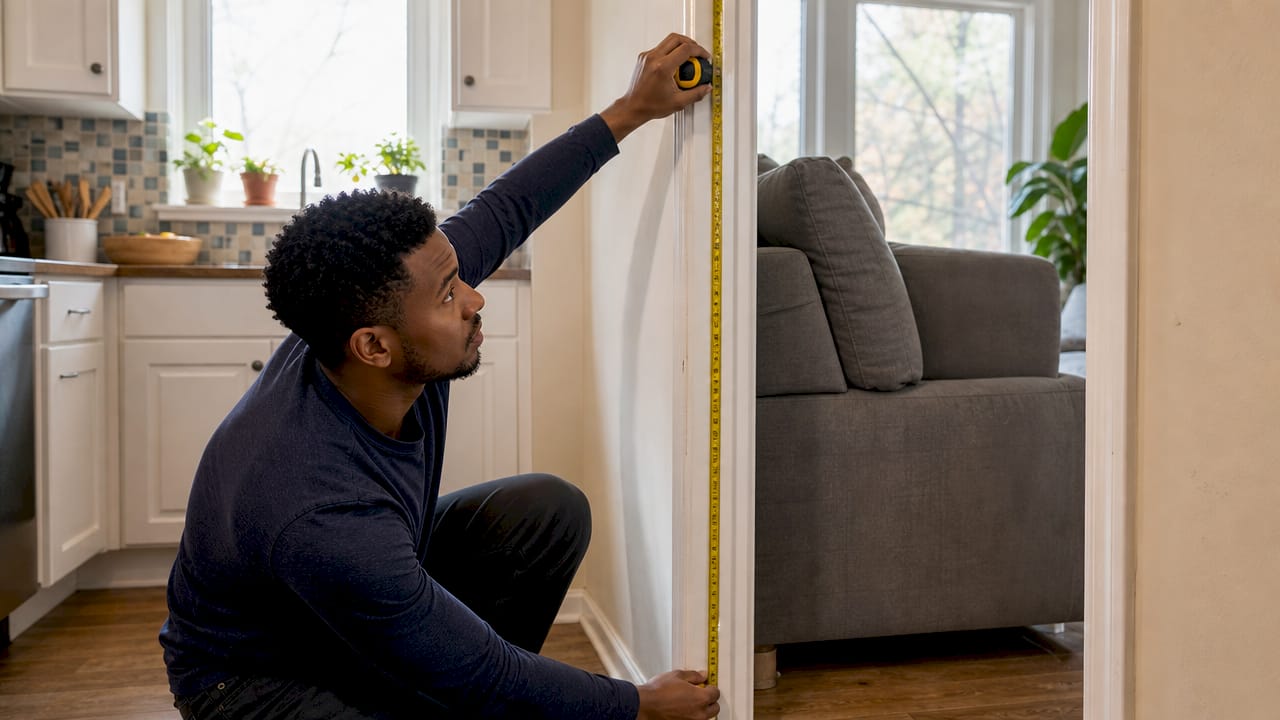
Measuring the diagonal height of sofas and sectionals is critical. The diagonal measurement runs from the bottom front corner to the top back corner, and it tells you whether a piece can tilt through a doorway or around a stair corner. Most people only measure length and width, which misses this entirely.
Measure every access point carefully before moving day:
- Doorway width and height: Include the frame, not just the opening.
- Hallway width: Account for any protruding light switches or skirting boards.
- Staircase width and ceiling height: Measure at the tightest point of any turn.
- Lift dimensions: Width, depth, and door opening width if applicable.
| Measurement point | What to measure | Why it matters |
|---|---|---|
| Doorways | Width and height including frame | Determines if furniture passes through upright |
| Sofas and sectionals | Diagonal height | Confirms fit when tilting through tight corners |
| Hallways | Narrowest width | Prevents furniture jams mid-carry |
| Staircases | Width at tightest turn | Avoids getting stuck on landings |
Pro Tip: Cut a cardboard template to the exact dimensions of your largest furniture piece. Walk it through every access point before moving day. This costs nothing and saves hours of frustration.
3. Lifting with your back instead of your legs
Lifting with the back instead of the legs is the most common cause of injury during furniture handling. The back muscles are not designed to bear the full load of heavy items. The legs are far stronger and far better suited to the job.
Correct lifting technique requires you to bend at the knees, keep your back straight, and hold the item close to your body. Keeping feet shoulder-width apart gives you a stable centre of gravity and reduces the risk of losing balance mid-lift. Standing close to the furniture before you lift is equally important.
The risks that come from ignoring proper technique include:
- Twisting while carrying: Rotating the torso under load strains the lumbar spine.
- Rushing the lift: Moving too fast removes the controlled muscle engagement that protects joints.
- Carrying too far without a break: Fatigue causes grip failure and dropped items.
Use the right tools to reduce the physical load. Dollies handle heavy items over flat surfaces. Shoulder straps distribute weight across the body rather than concentrating it in the hands. For safe handling of heavy pieces, a two-person team lift is the minimum for anything above 50 kilograms.
Pro Tip: Disassemble furniture before lifting wherever possible. Removing legs, drawers, and doors from a wardrobe can cut its effective weight by a third and make it far safer to carry.
4. Using the wrong tools for the job
Using the wrong tools creates damage and injury that proper equipment would have prevented entirely. Furniture sliders are a good example. Sliders work well for moving furniture within the same room but become dangerous over door thresholds and uneven surfaces. Forcing a heavy item on sliders over a threshold can snap furniture legs and gouge floorboards.
Dollies are the correct tool for moving heavy items across longer distances and over uneven surfaces. A four-wheel platform dolly handles large, flat items like bookshelves and wardrobes. A two-wheel hand truck suits tall, narrow items like filing cabinets and appliances.
Shoulder straps are underused but highly effective for staircases. They allow two people to carry a heavy item up stairs while keeping both hands free for balance. The practical guide to moving heavy furniture from Easymoveservices covers tool selection in detail for different furniture types.
5. Failing to protect furniture surfaces during transit
Failing to protect furniture surfaces is a mistake that shows up after the truck is unloaded, when the scratches and dents are already done. Transit damage is almost entirely preventable with the right materials applied before loading.
Use moving blankets or furniture pads to wrap every piece. Apply plastic wrap over the blankets to hold them in place and add a moisture barrier. Foam corner protectors guard the most vulnerable points on timber and glass pieces. Remove drawers, doors, and legs from large items before wrapping. This reduces the overall size of each piece, makes wrapping easier, and removes the parts most likely to snap under pressure.
Securing furniture with tie-down straps in the moving truck is the step that prevents shifting damage during transit. Unsecured furniture slides and collides with every corner and braking event. Tie-down rails and ratchet straps take minutes to rig and prevent hours of damage assessment. For a full breakdown of protective materials, the Easymoveservices guide on protecting furniture in transit is worth reading before you pack a single item.
6. Not preparing furniture properly before the movers arrive
Not preparing furniture before the movers arrive wastes paid time and increases the risk of damage. Every minute a removalist spends disassembling a bed frame or hunting for a screwdriver is a minute you are paying for unnecessarily.
Preparation means having furniture ready to move, not just ready to be looked at. Remove all items from drawers and shelves. Tape or tie drawers shut so they cannot slide open mid-carry. Disconnect all cables and remove wall fixings. Wrap fragile surfaces before the team arrives. The Easymoveservices resource on how to prepare furniture for movers outlines exactly what needs to be done room by room.
Clearing pathways is equally important. Remove rugs, door mats, and any obstacles from the route between each room and the truck. Protect timber floors with cardboard or floor runners before the first item moves.
7. Choosing a removalist based on price alone
Choosing a removalist based on price alone is one of the costliest mistakes to avoid when relocating. Choosing movers on lowest price often leads to hidden fees, unreliable service, and damaged goods with no recourse. Price is a poor indicator of quality.
Get at least three quotes and compare them on the same scope of work. Check that each quote covers the same services, including packing, disassembly, and insurance. Non-binding moving estimates can result in unexpected surcharges for stairs, long carries, or awkward items. Insist on a binding quote to protect your budget.
Verify the removalist holds a current licence and public liability insurance. Read recent reviews on independent platforms. Ask specifically about their process for handling large or fragile items. For guidance on evaluating removalist quotes, Easymoveservices provides a clear framework for comparing what each quote actually includes.
Professional moves typically cost between $1,000 and $5,000 depending on volume and distance. That range is wide, and the difference between a $1,000 and a $5,000 quote often comes down to experience, equipment, and insurance coverage. Choosing a mover based on guidance from Bridges Bros Movers can also help you understand what to look for beyond the price tag.
8. Ignoring floor and wall protection
Ignoring floor and wall protection is a mistake that creates repair bills long after moving day. Heavy furniture dragged across timber or tiled floors leaves deep scratches that are expensive to fix. Corners of wardrobes and bed frames catch plasterboard walls and leave gouges that require patching and repainting.
Lay floor runners or thick cardboard along every route from the furniture to the truck. Use corner guards on doorframes and wall corners at every tight turn. If you are moving through a carpeted area, plastic sheeting prevents dirt and moisture from being ground into the fibres during repeated trips.
These protections cost very little and take under 30 minutes to set up. The cost of not using them can run into hundreds of dollars in floor repairs alone.
Key takeaways
Avoiding common furniture moving mistakes requires planning at least 8 weeks ahead, measuring diagonal dimensions, using correct lifting technique, and securing all items with straps during transit.
| Point | Details |
|---|---|
| Plan 8 weeks ahead | Late planning causes rushed packing, damage, and lost items. |
| Measure diagonal height | Sofas and sectionals need diagonal measurement to confirm they fit through doorways. |
| Lift with legs, not back | Bending at the knees and keeping feet shoulder-width apart prevents the most common moving injury. |
| Secure furniture in the truck | Tie-down straps prevent shifting damage during transit and save hours of damage assessment. |
| Get binding quotes | Non-binding estimates lead to unexpected surcharges; always insist on a binding quote. |
What I have learned from watching movers get it wrong
The mistake I see most often is not the obvious one. People assume the biggest risk is dropping something heavy. In reality, the most common problem is underestimating dimensions. A client once spent three hours trying to get a corner sofa out of a second-floor flat because nobody had measured the staircase landing. The sofa was eventually disassembled on site, which added two hours and a fair amount of stress to what should have been a straightforward job.
Fatigue is the second factor that catches people off guard. Moving is physically exhausting, and most injuries happen in the final hour of a long day when concentration drops and shortcuts start to look appealing. Rushing a lift because you are tired is exactly when backs give out and fingers get caught.
The movers who do this well treat every move as a logistics problem, not a physical challenge. They measure twice, plan the load sequence, and use the right tool for each piece. Patience is not a soft skill in this context. It is the thing that keeps your furniture and your body intact. If you are not confident about any part of the process, professional packing and moving services are worth every dollar compared to the cost of a damaged heirloom or a back injury.
— John
Moving furniture safely with Easymoveservices
Easymoveservices combines real-time tracking technology with personalised packing and moving services, so your furniture arrives exactly as it left. Whether you are moving locally or interstate, the team handles the planning, protection, and heavy lifting so you do not have to.

For anyone moving high-value or difficult pieces, the Easymoveservices guide on moving high-value items covers the four steps that protect your most important belongings from start to finish. For interstate relocations, the resource on choosing the right interstate removalist gives you a clear framework for selecting a team you can trust. Easymoveservices also provides specialist support for NDIS participants, with tailored services designed around individual needs and circumstances. Get in touch to discuss your move and receive a binding quote with no surprises.
FAQ
What are the most common mistakes when moving furniture?
The most common errors are poor planning, skipping measurements, lifting with the back instead of the legs, and failing to secure furniture in the truck. Each of these is preventable with preparation and the right equipment.
How far ahead should I start planning a furniture move?
Planning at least 8 weeks ahead is the industry standard. This gives you enough time to book a removalist, source packing materials, and disassemble large items without rushing.
How do I know if my sofa will fit through a doorway?
Measure the diagonal height of the sofa, from the bottom front corner to the top back corner. This tells you whether the piece can tilt through the doorway at an angle, which is the only way most large sofas pass through standard openings.
Are furniture sliders safe to use on all surfaces?
Sliders work well for moving furniture within the same room on flat floors. They become dangerous over door thresholds and uneven surfaces, where a dolly or team lift is the safer option.
How do I avoid unexpected costs when hiring a removalist?
Always insist on a binding quote rather than a non-binding estimate. Non-binding quotes can include surcharges for stairs, long carries, or awkward items that are not disclosed upfront. Comparing at least three binding quotes gives you a reliable picture of the true cost.
Recommended
- How Heavy Furniture Gets Moved Safely: A Practical Guide
- 6 Biggest Mistakes When Moving And How To Avoid Them
- Moving To A New Home | Simple Tips For A Smooth Move
- How To Prepare Furniture For Movers | EasyMove Services